Telegram Mega Link Groups: A Complete Guide for 2026
Explore Telegram mega link groups safely. Learn what they are, the risks of malware & copyright, and how to use analytics for monitoring and moderation.

You're likely here because a Telegram invite appeared somewhere promising "mega links" to hard-to-access content. The hook is always the same: fast access, huge folders, no friction.
That curiosity is understandable. But telegram mega link groups sit at the intersection of convenience, copyright abuse, and malware risk. If you work in security, trust and safety, or community operations, treating them as a simple piracy problem misses the bigger picture. These groups are a live intelligence surface. Public signals around posting patterns, edits, and deletions can reveal how risky a channel is and whether it's worth monitoring at all.
What Telegram Mega Link Groups Are
A telegram mega link group is a public Telegram group or channel used to distribute links to files hosted on Mega.nz. Content varies — entertainment, software, leaked databases, adult material. What unifies them is the model: Telegram handles discovery and distribution, Mega handles storage.
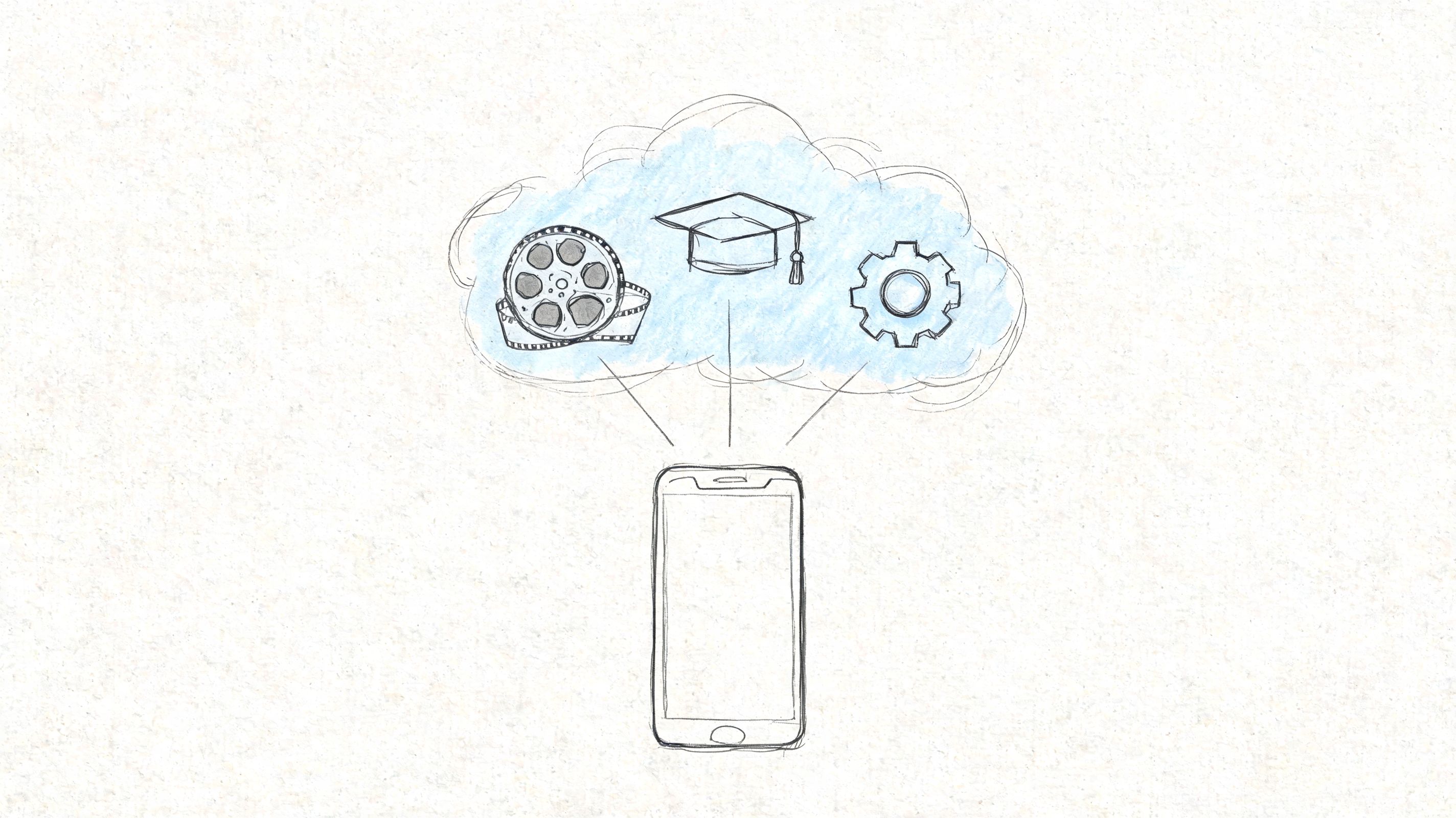
That split is why these networks stay active even when individual posts, accounts, or folders disappear.
Why people look for them — Speed over process, niche depth, and public visibility. Users get links without signups or paywalls. Many operate in public, which means analysts can inspect them without touching private chats. For a baseline on what a well-run public community looks like before you judge one of these, see the best Telegram groups roundup and its vetting checklist.
Why analysts should pay attention — A casual user sees "free stuff." A practitioner sees repeatable behaviors, moderation blind spots, and enforcement patterns. Those signals matter whether you're protecting your own community from spam spillover, studying how link-sharing channels grow, or documenting how public channels react to takedowns.
How They Actually Work
One operator uploads a Mega folder. Another publishes the link in a channel. From there, repost accounts, mirror channels, and bots spread it into adjacent groups. The link keeps circulating long after the original post loses visibility.
The distribution pattern matters more than the file itself. The useful signal is in the repost chain, timing, naming conventions, and accounts that keep reappearing across channels. Public Telegram abuse networks often use the same relay logic described in this look at Telegram and dark web-style distribution patterns.
These groups settle into repeatable roles, even when operators try to look informal:
- Uploaders — maintain folders, replace removed files, create fresh links when older ones expire
- Publishers — post into high-subscriber channels to trigger forwarding
- Indexers and bots — format posts, pin category menus, answer keyword queries
- Aggregators — collect links from other channels and repackage them under broader labels
- Traffic brokers — push users toward shorteners or monetized landing pages
Removing one channel rarely removes the storage, the mirrors, or the bot that republishes the same folder elsewhere.
What separates persistent groups from weak ones:
| Operational problem | Disciplined operators | Weak operators |
|---|---|---|
| Link decay | Swap in mirrors quickly | Leave broken links in place |
| Discovery | Consistent labels, pinned indexes | Post without structure |
| Trust | Stable post history | Edit, relabel, or delete aggressively |
If you collect this kind of data, basic OPSEC matters. This guide on protecting your identity while extracting data covers what many researchers skip.
The Risks
The promise is access. The outcome is exposure — and the risk starts before any download.
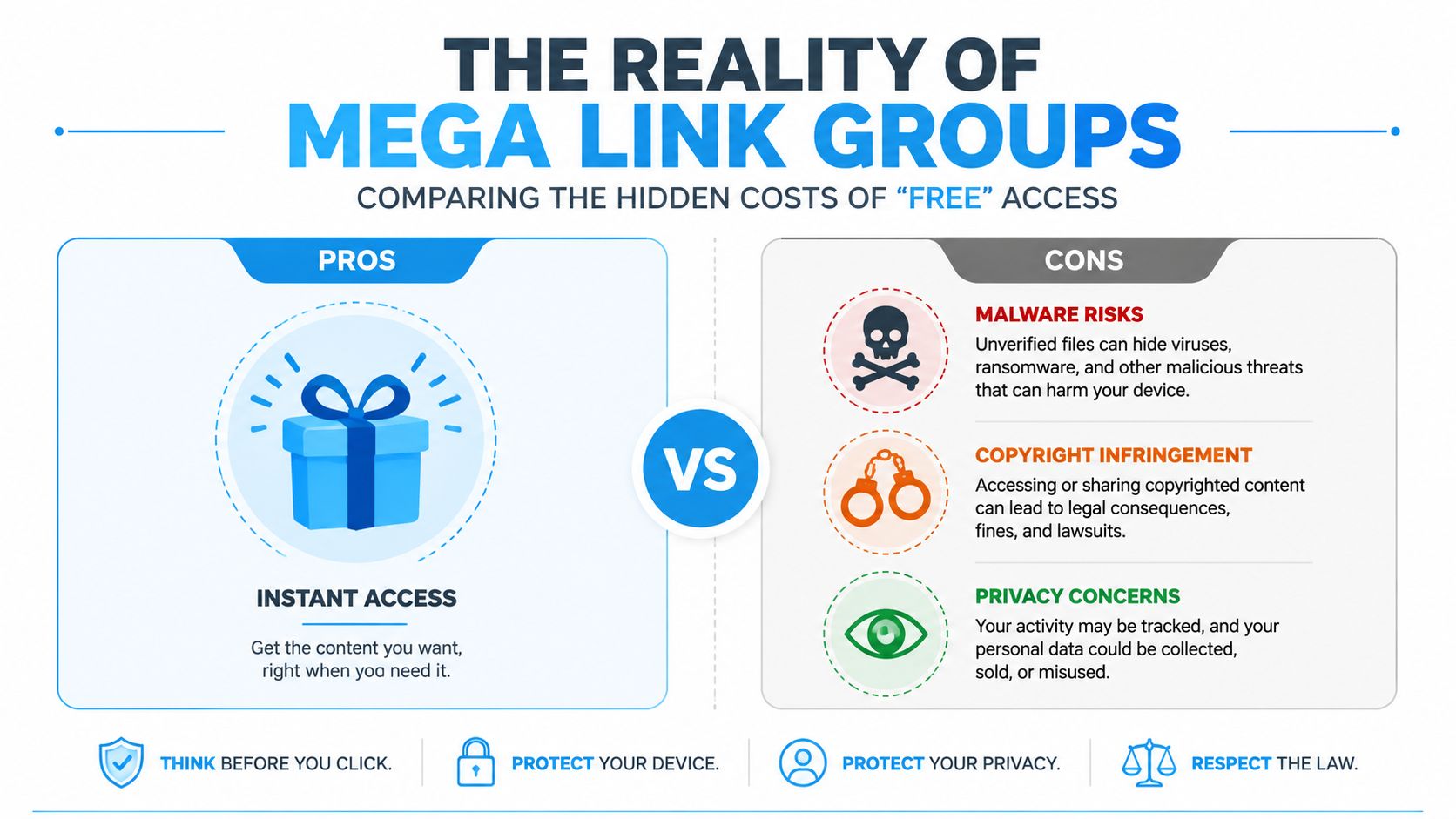
Security — Bad actors don't need you to download a file to exploit you. They use bait posts routing users through spammy redirects, swap destinations on older trusted messages after they've spread, and exploit urgency language ("limited," "deleted soon") to push careless clicks. The most dangerous post in a public channel is often the one that looked safe yesterday.
Privacy — Some groups trade in scraped databases, personal media, or archives users assume are private. Even when a link is harmless, joining can expose your account to admin profiling or third-party trackers tied to landing pages. The privacy problem runs both ways: admins who run these channels often underestimate how much their own behavior becomes visible over time through public posting patterns. That overlap is explored further in this piece on Telegram and dark web patterns.
Legal and moderation — The obvious issue is the uploader, but curators face their own exposure in many jurisdictions. For community managers, the practical concern is contamination: once these groups start cross-posting into your ecosystem, you can inherit inbound spam waves, members reposting unsafe links into legitimate groups, and reputation damage when your moderation response is slow.
Analyzing Public Groups Safely
Observe first. Don't join impulsively. Don't download anything.
Public analysis is usually enough to answer the key questions: What niche is this? Is it growing? Is it stable or chaotic?
A safe discovery workflow:
- Find public names and aliases via Telegram search, directories, and search engines
- Map the niche by reading bios, pinned posts, and visible repost relationships
- Check public analytics for posting cadence and growth behavior
- Record observations outside Telegram so you don't rely on volatile in-app views
For locating public channel references and aliases, this Telegram link finder workflow is a practical starting point.
Red flags worth noting: - Abrupt theme switching — a channel that pivots content categories often isn't curated - Heavy link obfuscation — excessive shorteners or "message admin first" tactics increase risk - Messy post history — frequent missing posts or vanishing captions suggest poor control - Urgency language — "last chance" and "exclusive now" are common in scam-adjacent operations
What to capture in your notes:
| Field | Why it matters |
|---|---|
| Public handle and title history | Tracks rebrands and evasive behavior |
| Niche and language cues | Shows target audience |
| Post style | Distinguishes manual curation from automation |
| Visible moderation behavior | Reveals whether operators clean up aggressively |
| Cross-channel mentions | Points to supplier or distributor networks |
If you can't explain what a public channel does after reading its visible posts, don't escalate to deeper interaction. Ambiguity is itself a risk signal.
Using Analytics for Monitoring
Moderation without analytics is mostly guesswork. In mega link groups, that guesswork fails fast — posts mutate, admins clean up selectively, and audience behavior can look healthy right before a trust collapse.
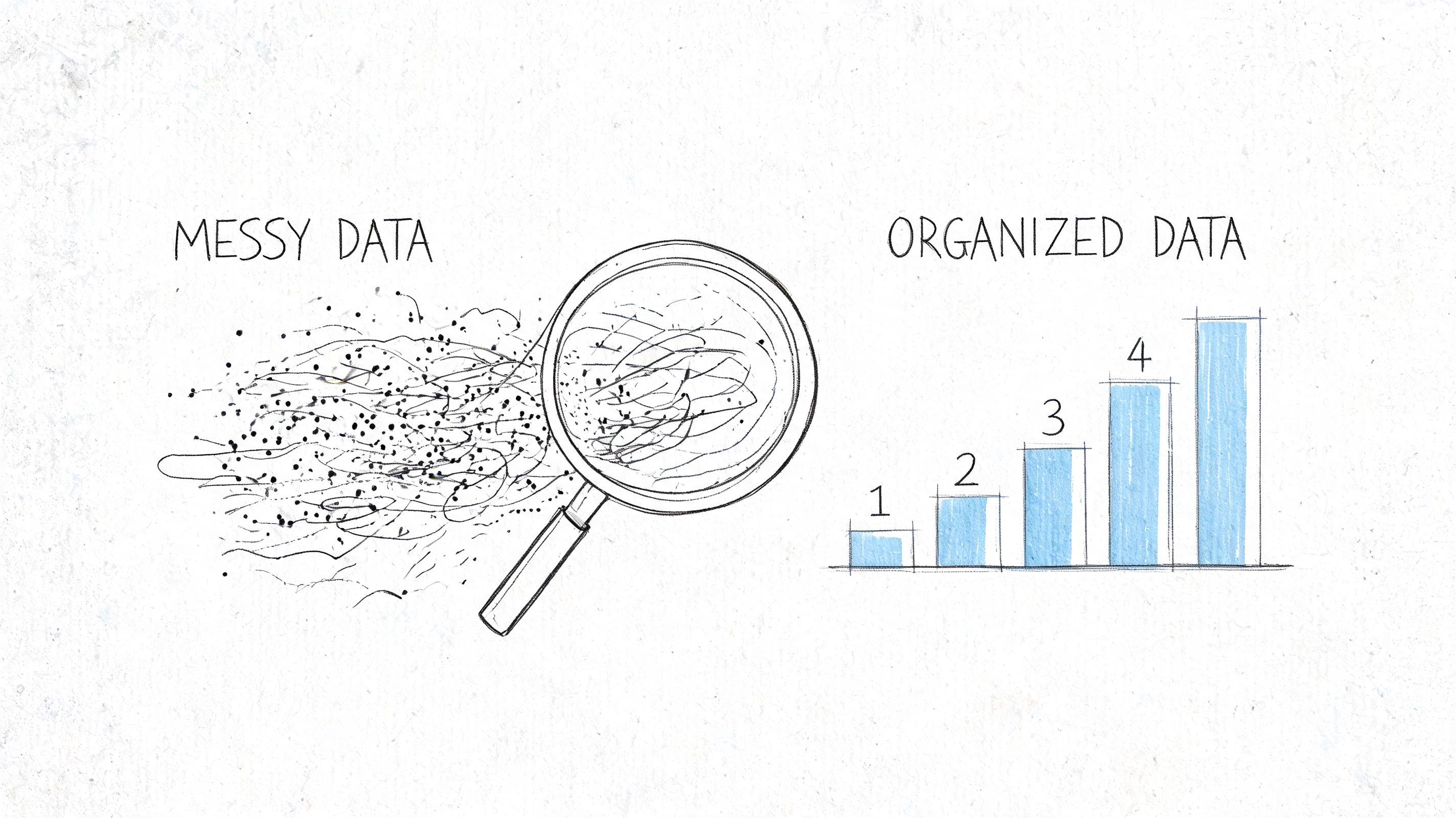
Telegram's own stats.getMegagroupStats API exposes members, messages, growth graphs, top posters, and message types. Analytics platforms like Statiko build on this with edit and deletion tracking plus AI-based pattern analysis.
Edit and deletion history is the single most useful layer in volatile link-sharing channels. Look for:
- Safe-looking posts edited into risky ones
- Deletion bursts after user complaints or platform action
- Caption rewrites that remove original sourcing
- Repeated cleanup after the same admin account posts
In public channels, history often tells the truth the current post hides.
Posting rhythm and actor fingerprints help distinguish bots from humans. Automation produces repetitive intervals, template-heavy captions, and regular bursts. Humans vary timing and formatting. That distinction changes the moderation response:
| Pattern | Likely operator | Practical implication |
|---|---|---|
| Repetitive posting windows | Bot or scheduler | Watch for scaled distribution behavior |
| Uneven bursts with manual edits | Human admin | Monitor for reactive cleanup |
| Multiple style shifts in one day | Shared access | Check for compromised or rotating operators |
A practical moderation workflow:
- Watch adjacent ecosystems — if a public mega link channel starts posting themes similar to spam hitting your community, log it
- Build simple risk labels: stable, manipulative, opportunistic, chaotic
- Track message volatility — edits and removals are often more informative than post volume
- Review top posters and admin activity to understand whether a channel is centralized or distributed
What doesn't work: manual spot checks, one-time screenshots, subscriber count obsession, and binary "safe/unsafe" labels. Public channels drift. Treat risk as a moving state, not a fixed classification.
Where This Is Heading
Telegram mega link groups aren't a temporary oddity. They reflect a larger pattern in public messaging platforms: distribution is decentralized, reposts travel faster than enforcement, and operators adapt after takedowns.
For channel owners, researchers, and trust teams, the practical conclusion is the same. You don't need private access to understand most of this ecosystem. Public data, collected carefully, already reveals the important parts: who posts, what changes, when cleanup happens, and whether a channel behaves like a stable community or a rotating risk source.
The teams that handle Telegram well won't be the ones with the loudest warnings. They'll be the ones with the clearest evidence.
If you need a practical way to monitor public Telegram channels with message history, deletion and edit tracking, and trend analysis, Statiko is built for exactly that kind of transparent workflow. It helps analysts, moderators, and channel operators review what changed, compare channels over time, and make decisions based on public evidence instead of guesswork.
Related posts

Master Telegram OSINT with our 2026 guide. Learn profile discovery, channel analysis, network mapping, and the best tools for open-source intelligence research.

Unlock traffic with link sharing Telegram groups. This guide covers finding groups, posting effectively, tracking ROI, avoiding bans, and using analytics.

Unlock growth with our guide to Telegram channel analytics. Learn to track key metrics, analyze competitors, and make data-driven decisions for your channel.
Start in seconds.
Create a free account to organise channels, track activity, and get recaps delivered to you.
Real-time. Telegram. Analytics.