Free OTP Bot Telegram: Risks and Safe Alternatives 2026
Searching for a free otp bot telegram? Discover the major security risks, how common scams work, and find safer authentication alternatives for users in 2026.

A search for "OTP bot" on Telegram returned about 1,700 results in 2022 and roughly 5.1 million by 2025, according to Flare's reporting on OTP bot growth. The phrase free otp bot telegram points into a mature underground market, not a niche search term.
The useful question isn't "are these bots dangerous?" — they are. It's: how do you tell whether a channel pushing a free OTP bot is active threat infrastructure, a scam targeting other scammers, or recycled hype? Public channel data can answer a surprising amount of that.
The Sudden Rise of Telegram OTP Bots
OTP bots lower the skill floor for account takeover campaigns and make them easier to advertise and resell inside public channels. Community managers can't treat these as distant criminal noise — discovery happens in the same public search system their own users rely on.
A large share of these channels show the same warning signs seen across low-trust Telegram operations: sudden audience spikes, renamed channels, deleted promotional posts, uneven posting histories. Those patterns don't prove criminal use on their own, but they tell you the operator is unstable or trying to hide prior activity.
Don't stop at "OTP bots are dangerous." Check whether the channel selling one looks durable, transparent, and consistent over time. The State of Telegram 2025 analysis explains why public signals matter when abuse and legitimate communities share the same distribution system.
Treat "free" bot offers on Telegram as investigation leads, not tools to test.
How a "Free" OTP Bot Actually Works
A free OTP bot is a relay system wrapped in social engineering. The attacker already has stolen credentials and needs only the second factor. The bot tricks the victim into handing over the one-time code while it's still valid.
According to Authgear's explanation of OTP bot mechanics, the flow works like this:
- The attacker starts a login using credentials they already have.
- The service sends a legitimate OTP — nothing fake at this stage.
- The bot contacts the victim via automated call, spoofed support interaction, or a fake urgency message.
- The victim gives up the code — the social engineering script is the primary weapon.
- The attacker enters the OTP immediately, bypassing the second factor.
SMS OTP and voice-based flows are easy to misunderstand under pressure. A fraudulent "fraud prevention" call arriving seconds after a real login prompt feels legitimate to many people. If the defense depends on the victim calmly interpreting a live security event during an interruption, it's brittle.
Where defenders should focus: Credential theft comes first — OTP bots appear after another compromise step. Real-time interaction means delayed review isn't enough. User confusion means better UX and stronger factors matter more than warning banners.
For a parallel example of how one weak point can route around otherwise solid controls, see Reclaim Security's guide to misconfiguration identity bypass.
The High Cost of Free Account Access
Telegram has over 1 billion monthly active users and supports group chats up to 200,000 members, per Telegram platform statistics from Thunderbit. One compromised account can become a launch point for impersonation, malware distribution, and lateral social engineering.
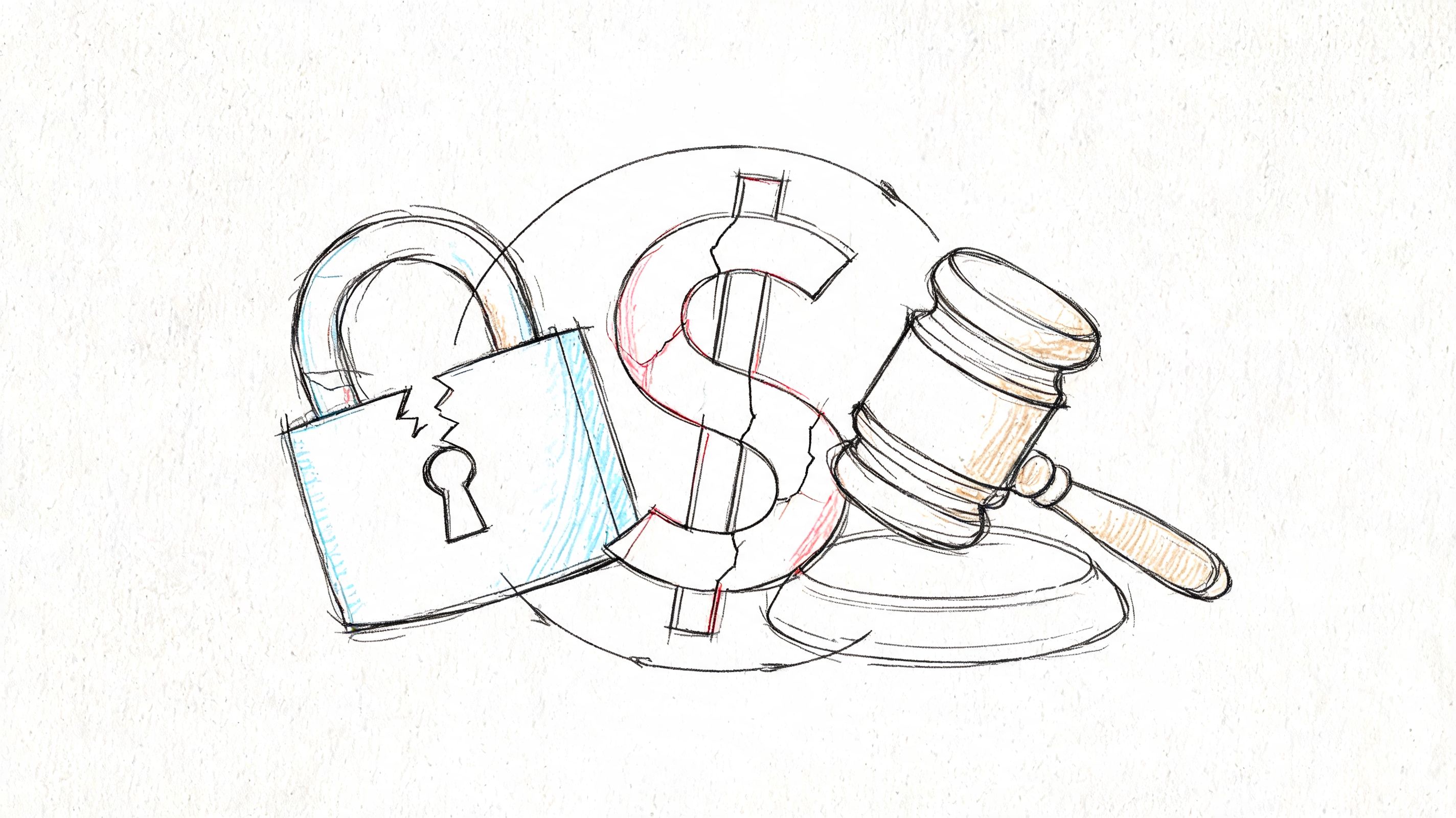
What the victim loses: Once an attacker gets into email, banking, crypto, or messaging accounts, they can reset passwords elsewhere and extract stored data. For community operators, a hijacked admin account is worse than a single-user breach — it exposes the whole audience to fake announcements and malicious links, which is why Telegram app security starts with two-step verification on every admin account rather than with the encryption debate.
Common consequences:
- Identity misuse — attackers message friends or subscribers from a trusted account
- Financial theft — payment apps, exchanges, and bank-linked workflows become immediate targets
- Reputation damage — brands lose credibility fast when official channels publish scam content
What the operator risks: Using an OTP bot, even out of curiosity, can support credential theft and unauthorized access — in many places that crosses into criminal conduct quickly. Some "free" bot operators collect wallets, usernames, and device details from would-be users. Others disappear, change branding, wipe posts, and reopen under a new handle. This Telegram and dark web overview gives useful context on how Telegram overlaps with hidden-market behavior.
The word "free" lowers suspicion. In this market, it should raise it.
How to Vet Bot Channels with Public Data
When a channel advertises a free otp bot telegram offer, public behavior tells you a lot before you infer capability. Some channels are active abuse infrastructure. Some are copycat operations. Some are bait.

Many channels advertising free OTP bots show stagnant growth and message edit or deletion rates in the 20–30% range within 24 hours, a strong sign of instability or scamming, based on this video analysis of public bot-channel behavior.
Use this checklist:
- Growth quality — flat subscriber growth may mean a recycled or abandoned channel
- Edit and deletion behavior — high churn often points to cleanup after false claims
- Promotion pattern — repetitive "limited free access" posts with no technical substance indicate funnel tactics
- Identity drift — frequent name, branding, and admin story changes signal instability
| Public signal | What it may suggest |
|---|---|
| Stagnant subscriber trend | Weak retention, recycled audience, or fake credibility |
| Frequent post deletions | Cleanup after complaints or failed offers |
| Heavy edits on promotional posts | Claim changes, price shifts, or evasion |
| Narrow content mix | Funnel-only behavior instead of a real operator community |
Track behavior over time instead of reacting to one post. For investigators working from open sources, this Telegram OSINT guide offers a practical framework for turning public signals into repeatable analysis.
Public metrics won't prove a bot works or expose private transactions. But they show whether a channel behaves like a credible long-running operator, a churn-heavy scam, or an attention trap — enough to support moderation decisions, threat monitoring, and escalation.
Secure 2FA Alternatives You Should Use Instead
The answer to free otp bot telegram risk isn't better guessing. It's moving away from factors that are easy to relay. SMS OTP still exists because it's familiar — not because it's safe.
| Method | Main strength | Main weakness |
|---|---|---|
| SMS OTP | Familiar and widely supported | Easy to relay through phishing and voice scams |
| TOTP app | Offline code generation on device | Still phishable if user enters code into a fake flow |
| Hardware key | Strong phishing resistance | Added cost and setup friction |
| Passkeys | Strong UX and phishing resistance | Requires deployment planning |
TOTP apps (Google Authenticator, Authy) are the easiest immediate upgrade. They remove the telecom layer and reduce exposure to SMS interception and voice-based OTP harvesting.
Hardware tokens like YubiKey raise the bar further — authentication ties more closely to physical possession and the legitimate destination.
For admins and builders: choose TOTP for broad rollout, hardware keys for high-access roles (admins, finance, moderators), and passkey-style flows when your stack supports it. For teams rethinking authentication architecture more broadly, cloud-native authentication with Passflow is a useful reference.
SMS OTP alone is the weak pattern. Piling warnings on top of it doesn't help — if the workflow still asks someone to manually relay a transient code under pressure, the design is exposed. Protect owner and moderator accounts first. They deserve the strongest factor available, not the most convenient legacy one.
Monitoring for Threats with Statiko Analytics
Public Telegram channels leave a trail. For researchers and community teams, that trail is often enough to spot unstable bot operations before anyone engages with them.
Discussion of defensive "OTP protection bots" increased 150% since May 2025, per this community analysis of automatic OTP consumption trends. The same channels pushing "protection" claims often recycle the sales language and promotion patterns seen in offensive bot markets.
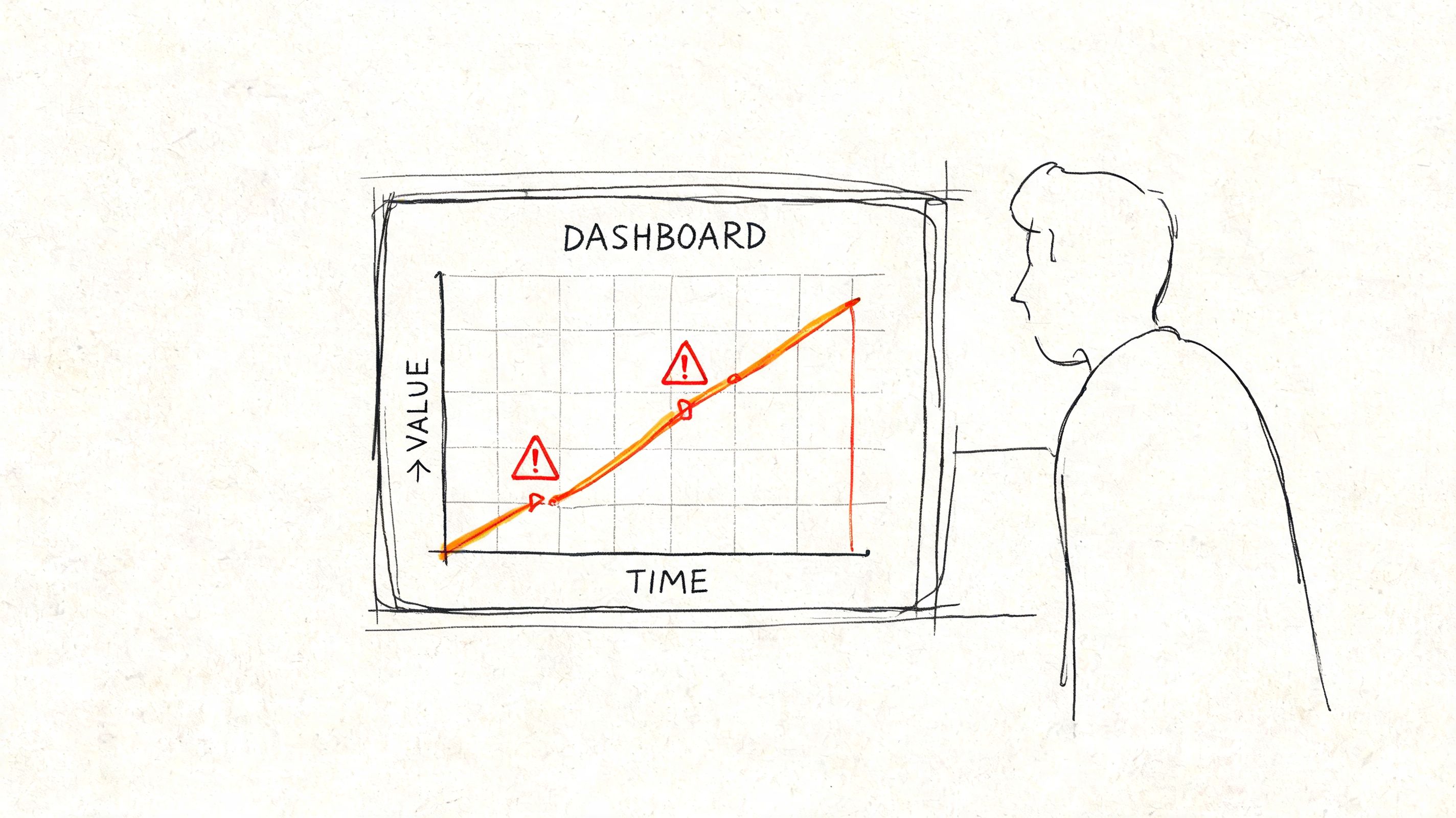
A practical monitoring workflow:
- Build a watchlist — track channels advertising OTP bots, "free trials," anti-ban claims, or spoof-calling features
- Log content changes — edited captions, deleted promotions, and disappearing feature claims signal cleanup after failed launches
- Review posting rhythm — burst posting around giveaways usually points to acquisition campaigns, not stable operations
- Compare claims across channels — shared screenshots or pricing language suggests cloned campaigns
- Escalate based on repeated indicators — one exaggerated post is weak evidence; repeated deletions and recycled branding are stronger
What analysts should watch for:
- Narrative shifts — a channel that sold account access last month and now sells "protection" without explaining the change
- Cleanup behavior — old claims disappearing after backlash
- Audience targeting changes — sudden switches in language or region can mark a pivot to a new victim pool
- Competitor mirroring — shared graphics and synchronized promotions show coordination or low-effort cloning
Manual review works for a small watchlist. It breaks once you're tracking a cluster of related channels, especially when operators rename channels, delete posts, or rotate their pitch every few days.
For Telegram channel owners, researchers, and trust teams, Statiko turns that public activity into something verifiable. You can inspect growth patterns, track edits and deletions with timestamps, and review content history to identify instability and coordinated promotion before engagement. You're not just reacting to warnings about OTP bot abuse — you're checking the public signals yourself and filtering out channels that already look unreliable.
Related posts

Explore the Telegram dark web connection. Our guide reveals how illicit economies operate on the platform and how to use analytics for safety and research.

Master Telegram OSINT with our 2026 guide. Learn profile discovery, channel analysis, network mapping, and the best tools for open-source intelligence research.

Discover the ultimate list of telegram bots with our curated review of the 12 best directories and search engines to find, manage, and analyze bots in 2026.
Start in seconds.
Create a free account to organise channels, track activity, and get recaps delivered to you.
Real-time. Telegram. Analytics.